The Ghost Comb Project
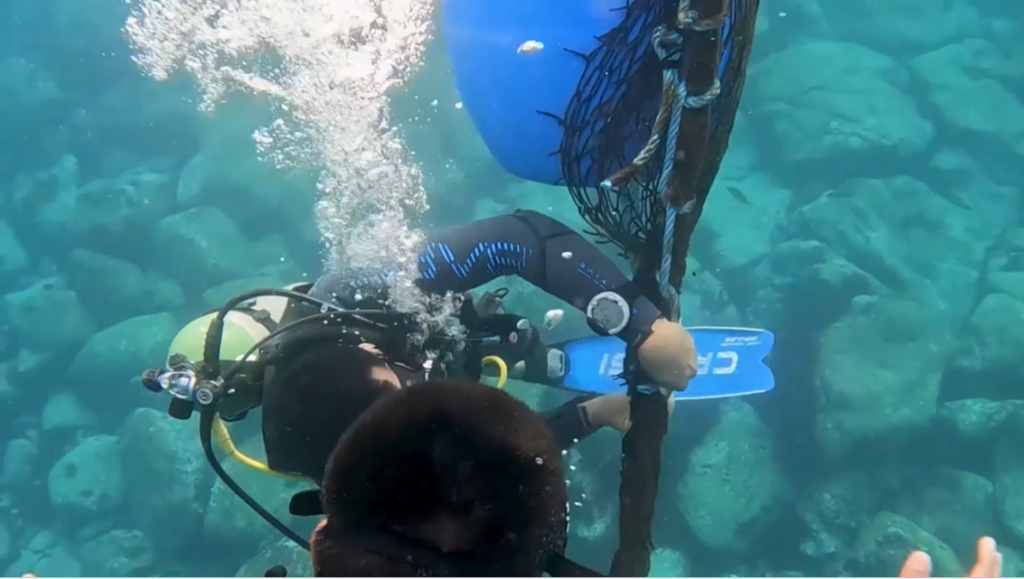
Circular Solutions participated in the 2025 Fall Biodesign Sprint competition by developing the Ghost Comb, a surf wax comb made from recycled fishing nets sourced from a startup that had collected the abandoned nets in the Galápagos Islands. The project focused on transforming ocean plastic waste into 3D filament and creating a sustainable product that supports circular design and ocean conservation.
Solar Table Project
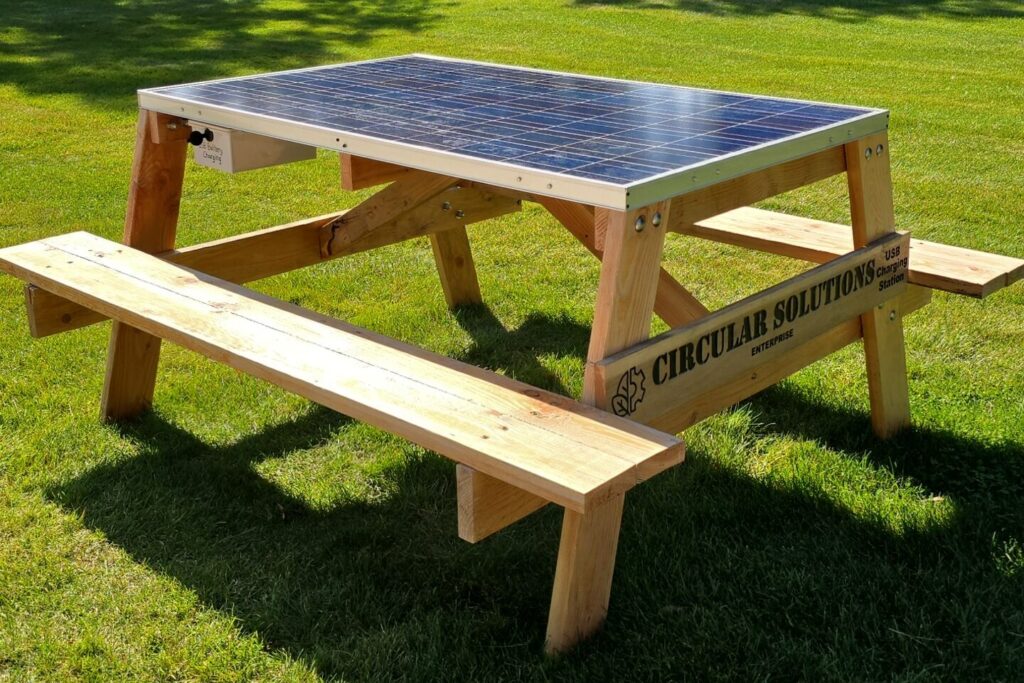
The Solar Table Project utilized retired panels donated by a Michigan Tech research lab, giving new life to materials that would have otherwise been discarded. The Circular Solutions team designed and built a solar-powered table using reclaimed materials to provide a functional outdoor workspace that supports sustainable, circular design.
ROTATING COMPOST BIN
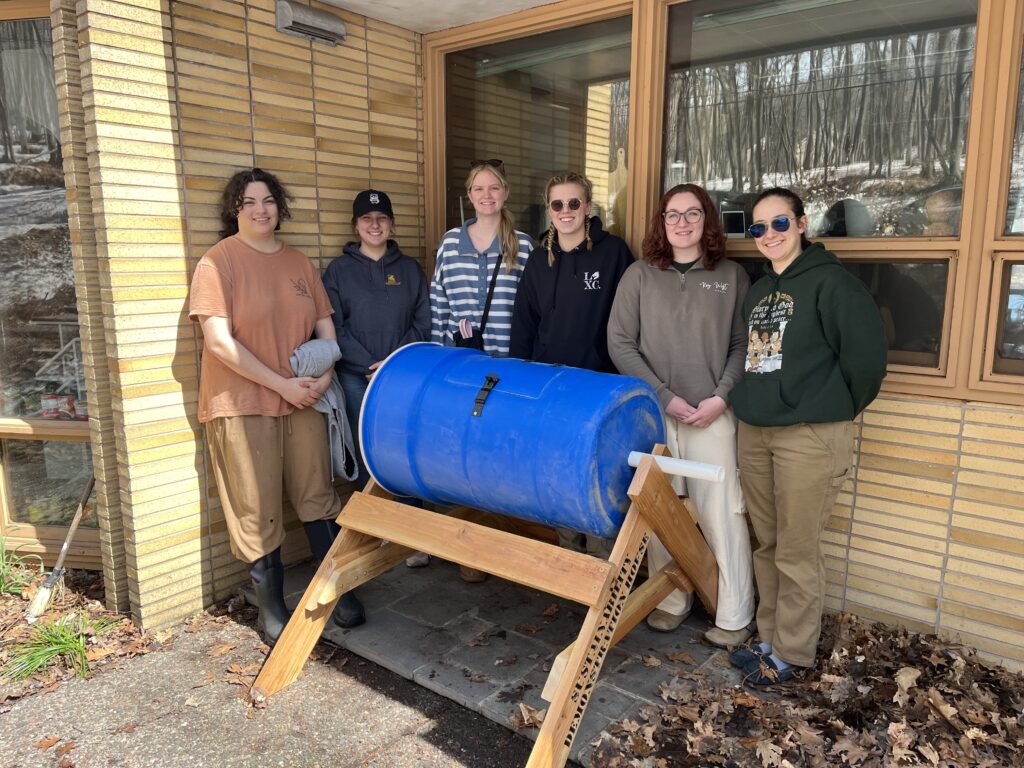
Circular Solutions Enterprise partnered with the Sustainability Demonstration House to design a compost bin that fit their needs for heat retention, decomposition rate, and size. This project aimed to prevent food waste, while providing a publicly accessible finished compost to the community for gardening.
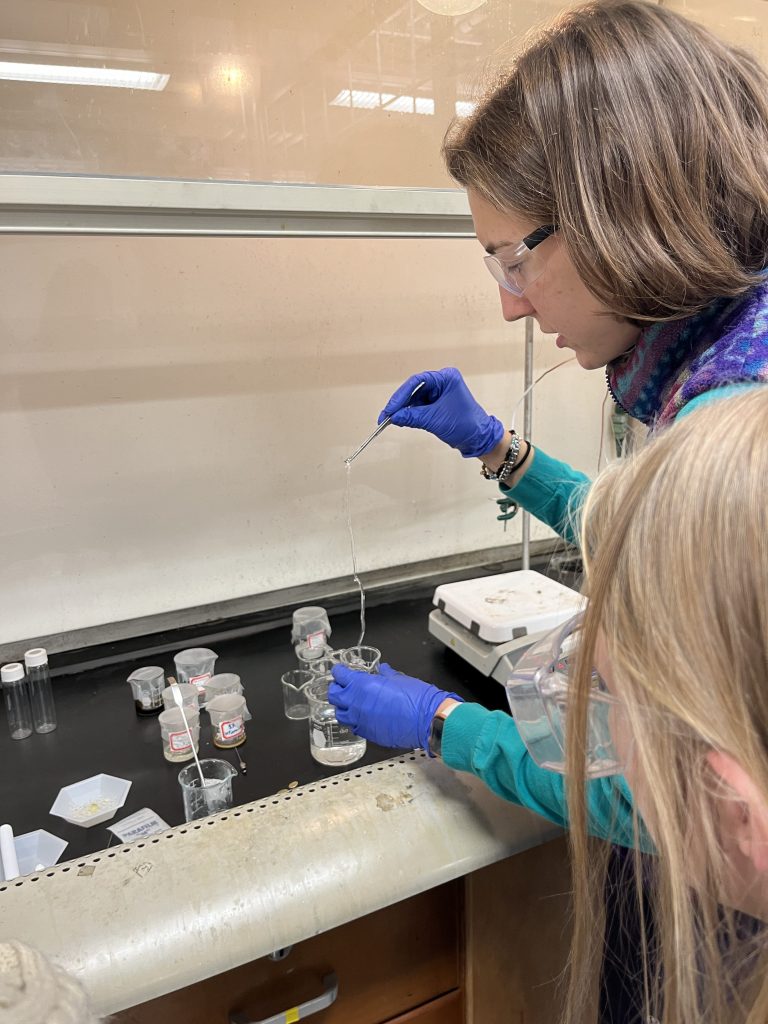
Cellulosic Fiber Precipitation from Recycled Textiles
Circular Solutions Enterprise partnered with Thimbleberry to explore possibilities for creating new textiles using the cellulosic fiber precipitation technique with recycled fabrics to repurpose clothing waste. This project was being completed in collaboration with the Department of Chemical Engineering.
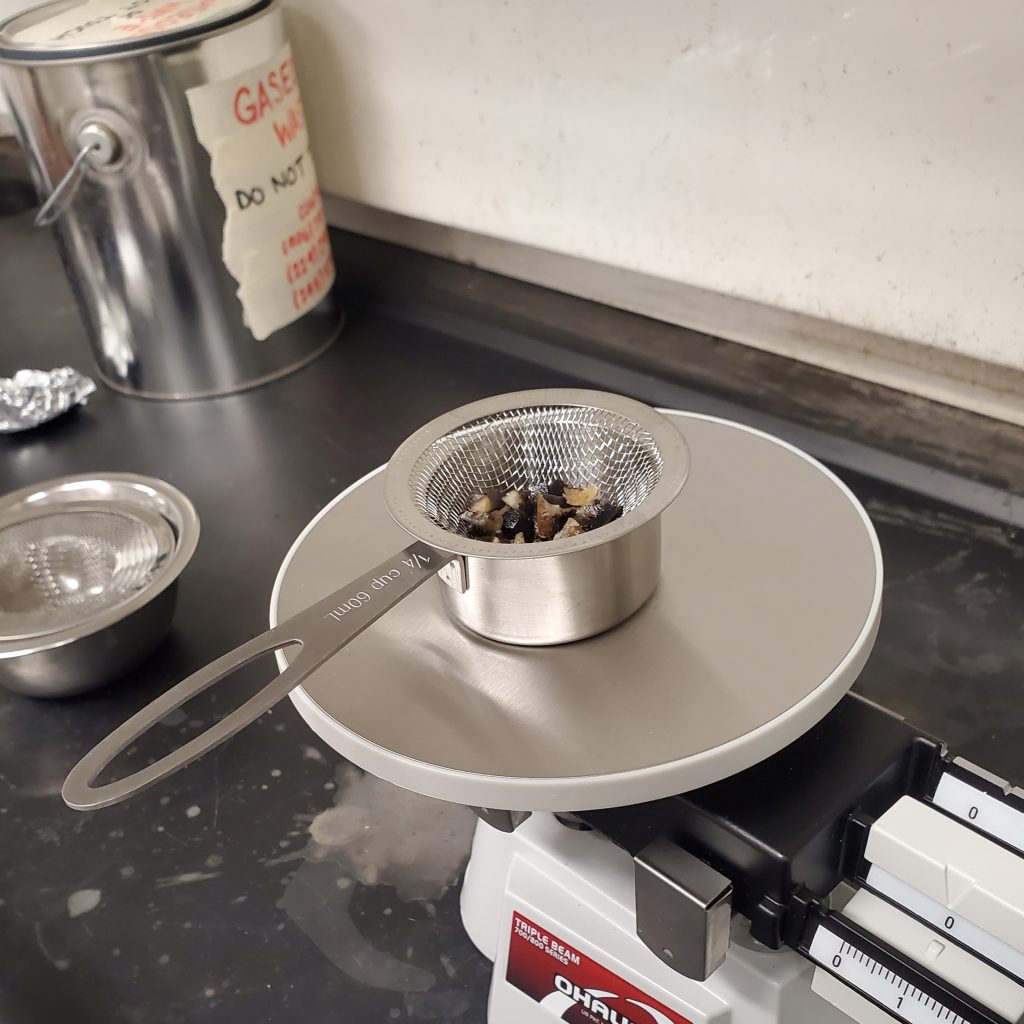
Sustainable Fuel Spill Cleanup
The Sustainable Fuel Spill Cleanup Project focused on developing a circular design for cleaning petroleum spills using waste products and natural resources. The Circular Solutions team explored the use of animal byproducts, such as hair, feathers, and hoof trimmings, as absorbent materials and evaluated their effectiveness compared to traditional cleanup products. This project aimed to create an environmentally responsible alternative for oil spill response through sustainable material reuse.
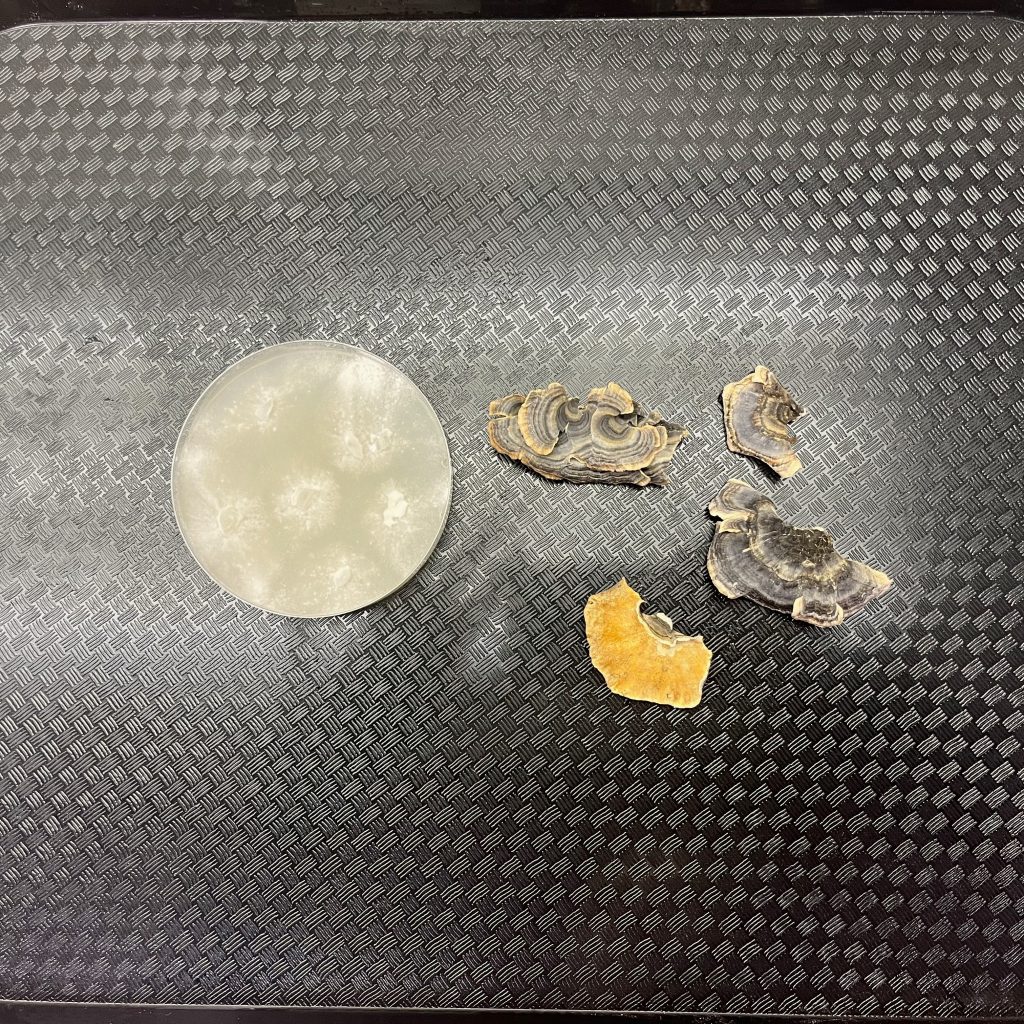
Mycelium Project
The mycelium project will be growing mycelium with the goal to incorporate the biomaterial into furniture products. We will be experimenting with growing the mycelium on clean Aspen wood and furniture wood waste. After portions are fully grown, we will perform tests on the material to observe its performance.
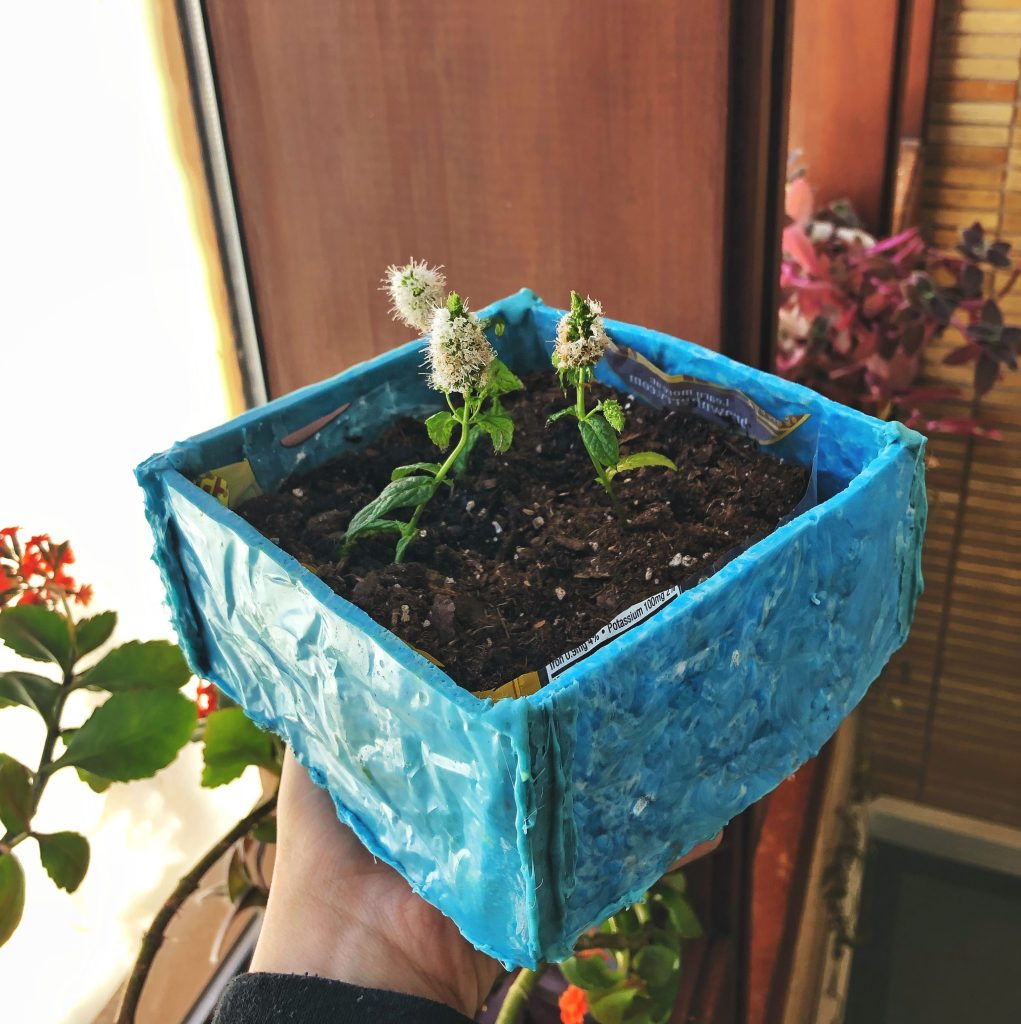
Disposable Mask Recycling
Hotforest received 10,000 disposable masks from GM that were rejects headed to a landfill. The team has been working with the masks to find ways to recycle the materials and create new and useful items. Hotforest has a 3D printer. The project has a goal to use the polymers from the masks to create 3D printer filament.